Don’t fear the new paradigm 4.0

Education is joining Industry 4.0
March 20, 2018
Internet of Things – IoT
May 7, 2018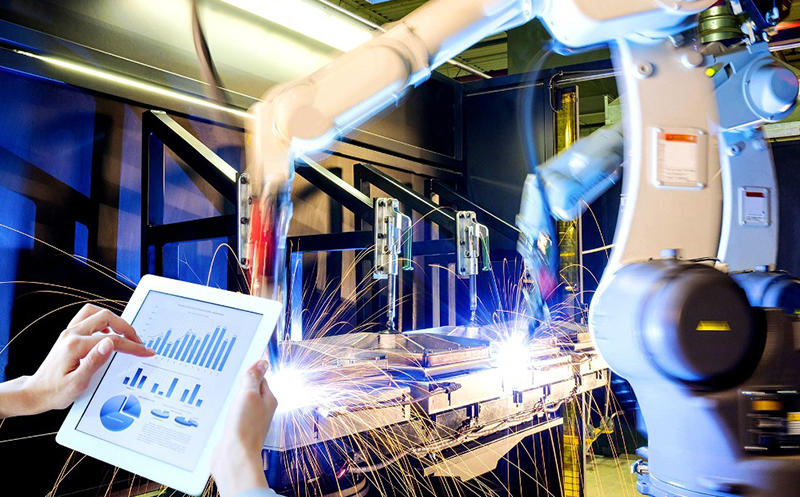
The era we live in “version 4.0”, the new Industrial Revolution, with its new technologies can be frightening and confusing. The new paradigm involves the digitalization and systematization of processes, which on one hand allows delegation of everyday tasks to systems that solve them quickly, simply and efficiently. But this transformation has also made the productive market become highly changing and competitive.
Once communication was revolutionized with the emergence of internet, social networks, and mobile browsing. Today, according to “Global Digital Report 2018” presented by We Are Social, more than 5,700 million people are mobile users, 50% of which use smartphones, and more than half of the world’s population uses social networks. This shows that what was once frightening, is woven into our daily lives.
Now the revolution knocks on the door of other areas: industry, production, finance, trade and even houselife, all facing substantial changes that come in the form of technology, software and mobile apps. New systems seek to simplify, streamline and automate tasks that previously could turn out to be long and complex, promising faster and more efficient practical results. “The benefits of digitization are very significant: efficiency, reliability, predictability …” says Alejandro Bianchi, president of Liveware.
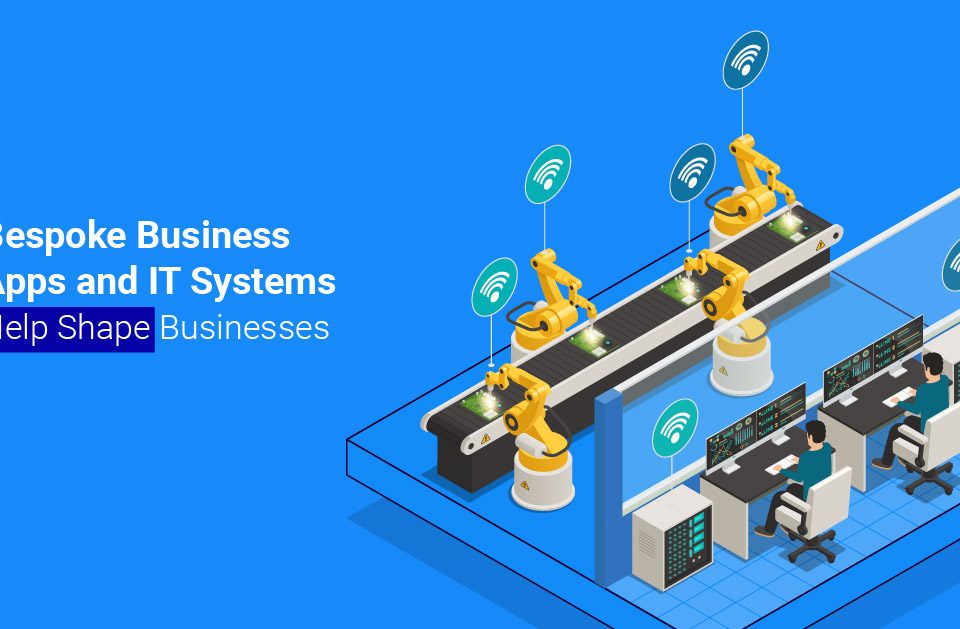
“The Economist” presented a report focused on the leading countries in industrial digitization: China and US. When immersed in digital innovations, companies from construction to automotive managed to take the lead of the market. According to this report, the first step was implementing “Internet of Things” (IoT), that allows generating data from each part of the production chain by connecting them to the Internet. The data generated is known as “Big Data”, and from there, managing this data with integrated management systems, which connect the practical information to business decision-making in real time. In addition, leaders claim that “business models change with the digitization of products, because on them it is now possible to create platforms of interconnectivity on which other companies can offer their services”, a fact that “The Economist” reports on.
The transformation to Industry 4.0 extends to every country that participate in the global marketplace. There are huge opportunities yet to be conquered and in each sector will ultimately be dominated by those who can take advantage of new technologies to their company’s own benefit.
Source: We are social – SlideShare.
The Economist.